

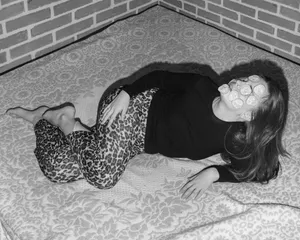
EMESE'S DREAM
Emese Tóthová
EMESE'S DREAM
Nominated by Robert Capa Contemporary Photography Center, 2026
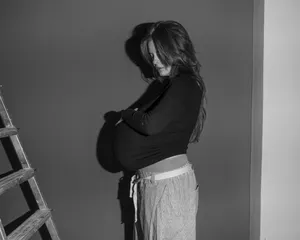
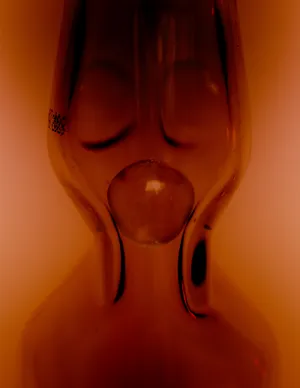
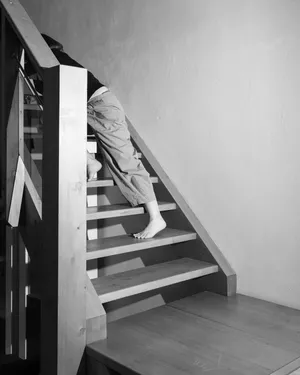
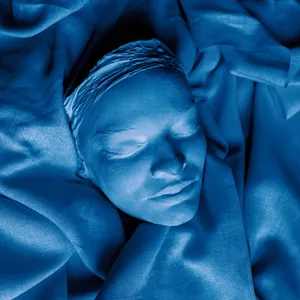
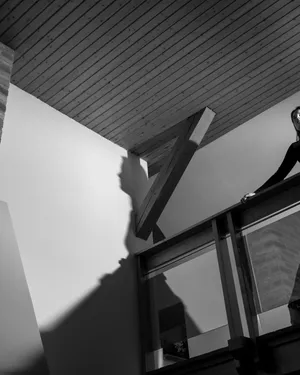
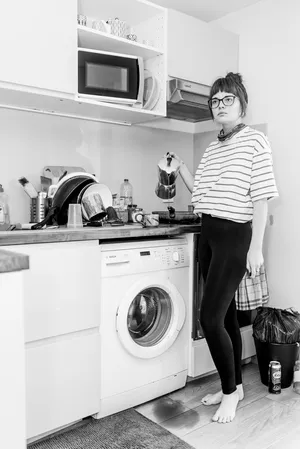
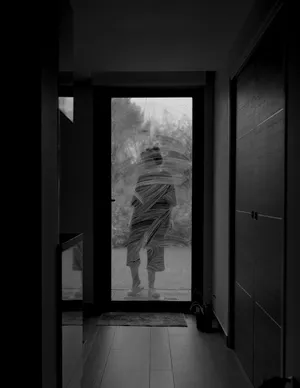
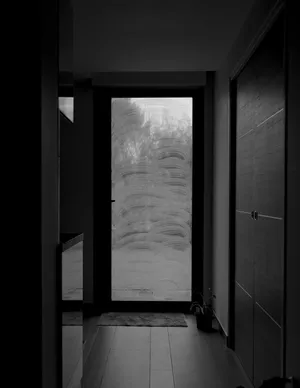
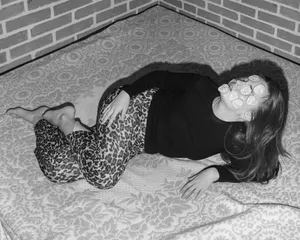
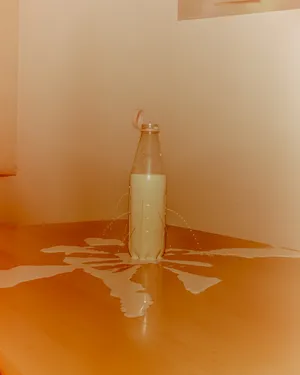
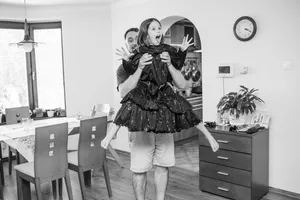
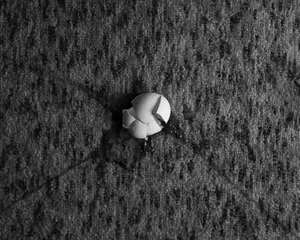
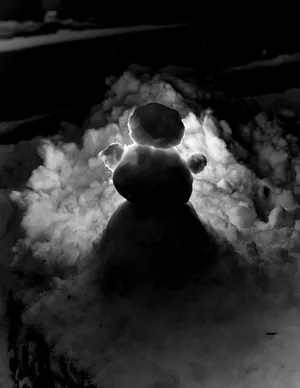
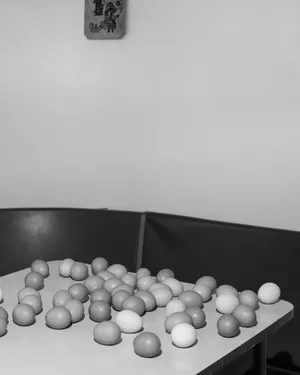
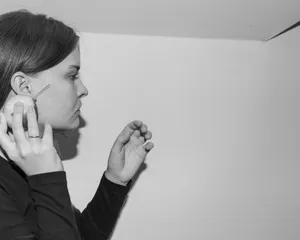
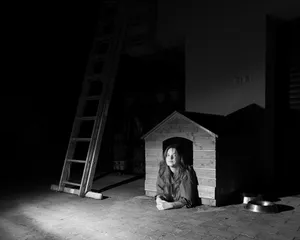
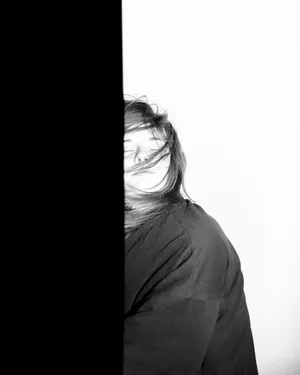
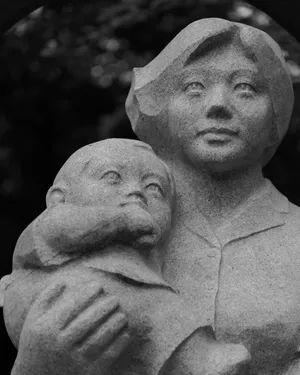
The series explores the deep layers of identity tied to the name Emese, examining the cultural and transgenerational heritage it carries. Meaning "mother" or "little mother," the name reaches back to Hungarian origin myths: the figure of the primordial mother, impregnated by a Turul bird in a dream, is a sacred symbol of fertility and predestined motherhood. Just as the mythical Emese received the promise of her future through a dream, this photographic series functions as a form of internal, visual reflection. At the core of the project lies a conscious and desired state of life: the preparation for motherhood. This commitment is placed into a broader context, reflecting on contemporary demographic and existential dilemmas—seeking the meaning of motherhood in an era where childbearing is increasingly delayed and global crises perpetuate a sense of uncertainty. The images record the fragile process where the sincere will for fulfillment meets external pressures and collective anxiety. The narrative follows the logic of dreams: surreal compositions serve as projections of the subconscious, where determination and vulnerability appear as complementary visions. The series breaks away from idealized depictions of motherhood, presenting instead the phases of psychological maturation—a threshold where individual desire for freedom and archaic role-assumption strive to merge under the shadow of an uncertain future. Emese’s Dream thus becomes a visual diary of both a personal identity search and a generational quest for a path forward.





POSTCARDS I HAVE NEVER SENT
Emese Tóthová
POSTCARDS I HAVE NEVER SENT
Nominated by Robert Capa Contemporary Photography Center, 2026
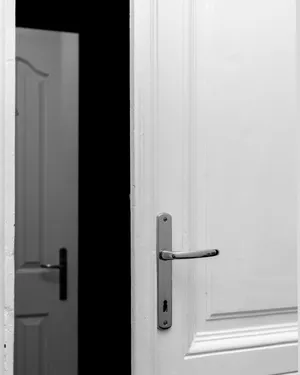
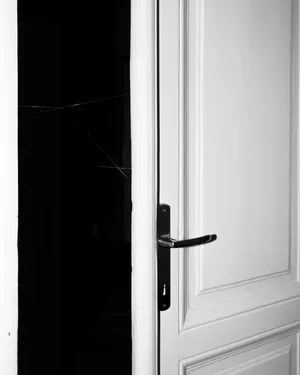
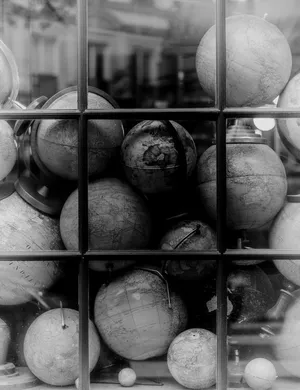
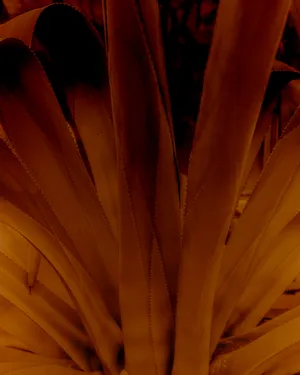
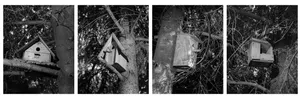
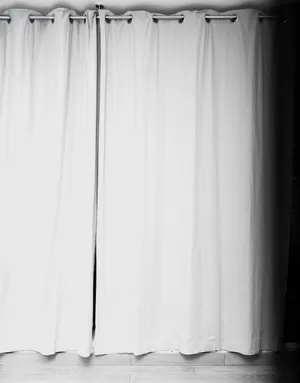
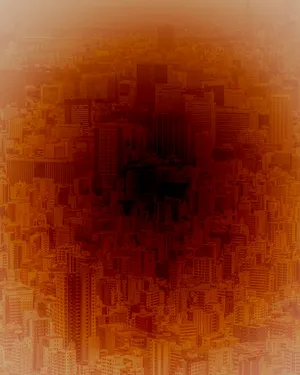
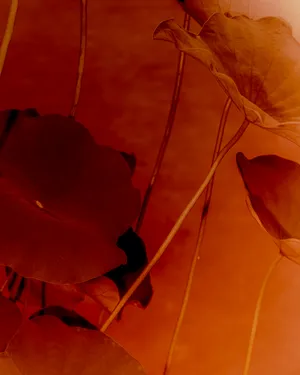
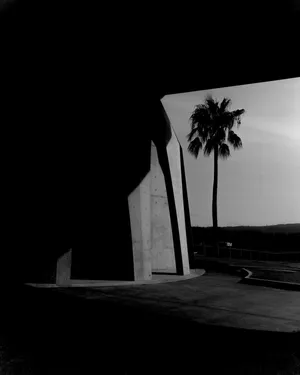
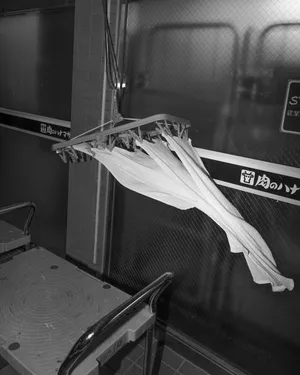
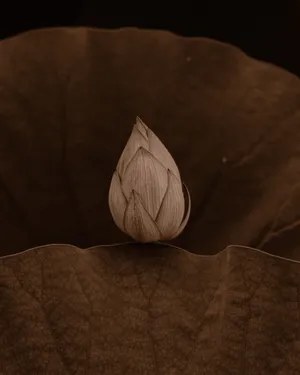
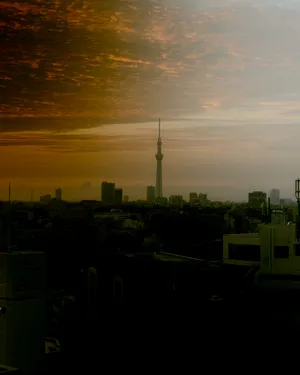
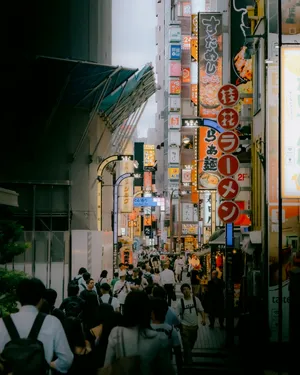
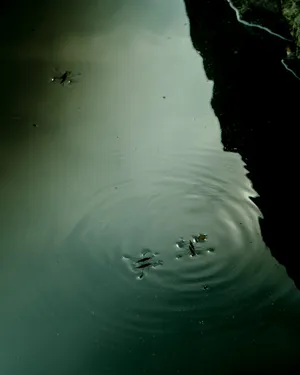
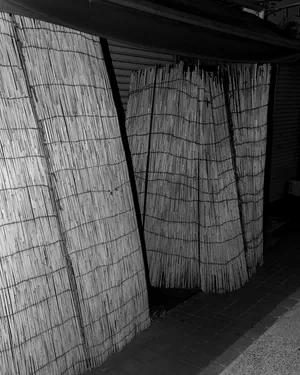
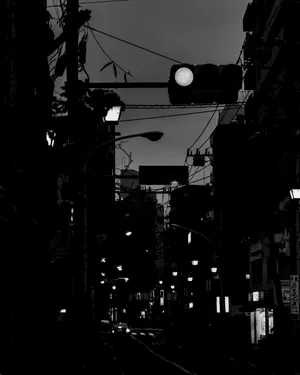
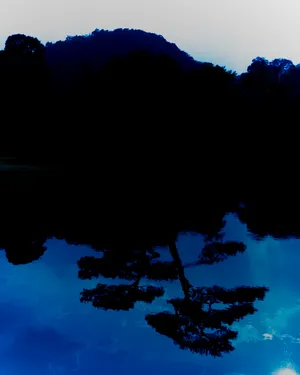
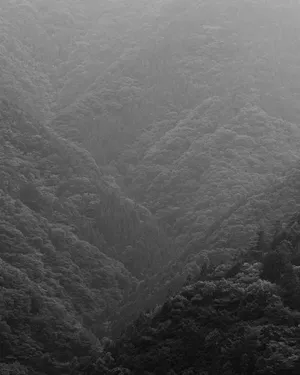
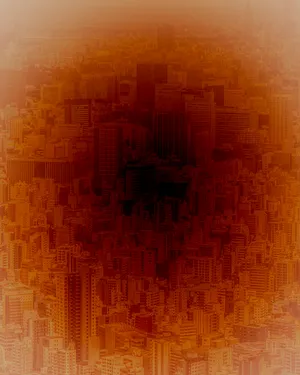
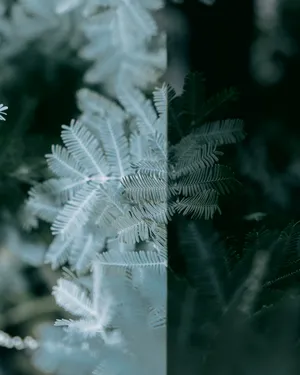
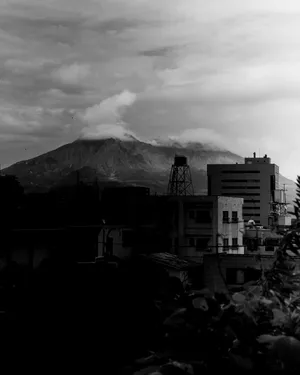
Every year, my mother recounts her postcard collection. Her carefully organized collection now contains over five thousand postcards. I have my own category: the cards I send her from foreign countries. In 2025, however, not a single new card made it into this category. I traveled half the world, yet I couldn’t manage to address and send even one. In my family, a postcard is not just an image. It’s a gesture. A physical proof that I’m okay, and that despite the distance, I remain connected to my home. It’s one of photography’s simplest, yet most intimate forms. Sending postcards has become a forgotten gesture in our time. Postcard collections grow slowly now, as the physical format has been replaced by digital image sharing. Yet this shift has stripped away something essential: the tangible presence, the deliberate act of choosing, writing, and sending. My travels are dreamlike: a transitional state, detached from everything. During my journeys, sending postcards always pulled me back to reality. Simultaneously a signal home and a bond to what I temporarily left behind. In 2025, I created my own postcards. These images depict the places as I experienced them: dreamlike, sometimes not reflecting reality at all. The narrative is organized around an absence, but remains open. Capturing a floating, transitional state where travel, detachment, and connection exist simultaneously.
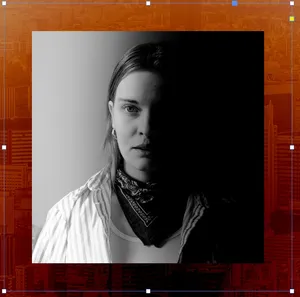
Emese Tóthová
Emese Tóthová (1997) was born in Slovakia and currently lives and works in Paris and Budapest. She graduated in 2022 with a BA in Photography from Moholy-Nagy University of Art and Design, Budapest, and in 2024 pursued her Master’s at the Royal Academy of Fine Arts Antwerp. Since 2019 she is a member of the Studio of Young Photographers. She held her first solo exhibition at the Robert Capa Contemporary Photography Center in 2024.
Tóthová’s work is a study of the “floating state”. The moments where detachment and connection coexist. Drawing from her experiences living in many different countries, she investigates how physical and emotional distance affects our sense of home. Her practice often centers on the “unspoken gesture”: the postcard never sent, the ancestral name carried as a burden, or the childhood game re-enacted in an adult apartment. By blending personal archives with performative actions, Tóthová asks how we can prepare for the future, specifically motherhood and adulthood, while still reconciling with the “closed systems” of our family histories. Her images serve as self-awareness exercises, balancing the liberation of play with the anxieties of responsibility.
ProfessionPhotographer
IdentityWoman, White
LocationEastern Europe, Western Europe, France, Hungary, Slovakia
PracticeBlack and White, Conceptual, Multidisciplinary
TopicsIdentity, Migration, Body, Family, Kinship
CityParis, Budapest
Nominated byRobert Capa Contemporary Photography Center
Year2026
Close

Address
Isaac Titsinghkade 6A-B
1018 CA Amsterdam
The Netherlands
Address
Isaac Titsinghkade 6A-B
1018 CA Amsterdam
The Netherlands
© 2026 FUTURES Foundation
© 2026 FUTURES Foundation
Close