

Unternächte
Elena Helfrecht
Unternächte
Nominated by Void, 2023
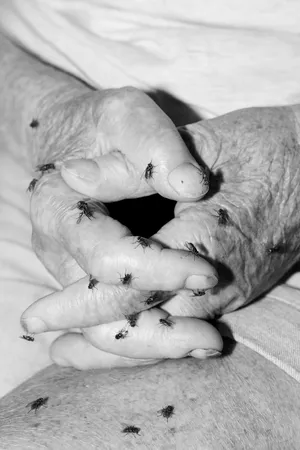
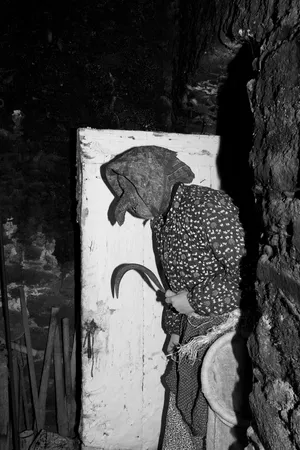
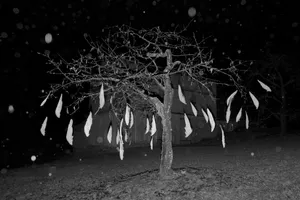
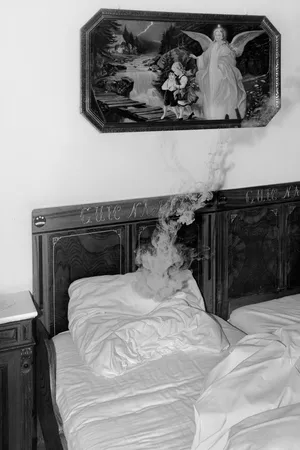
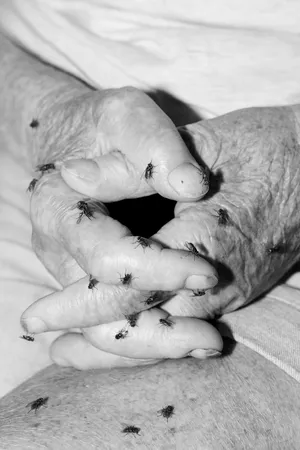
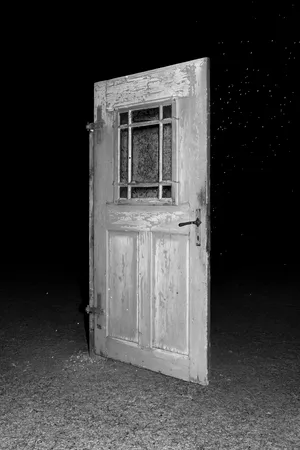
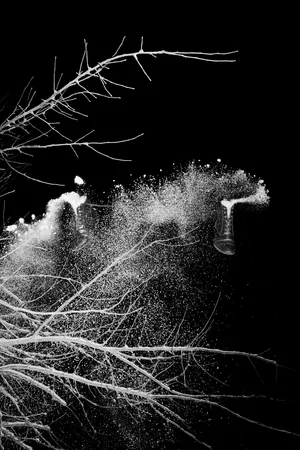
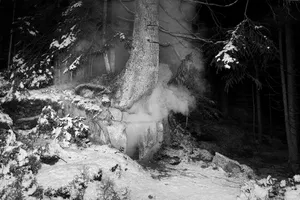
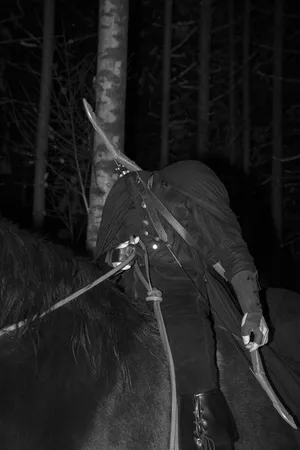
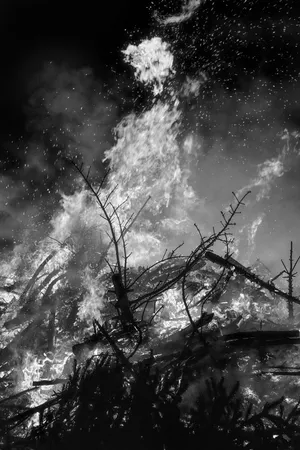
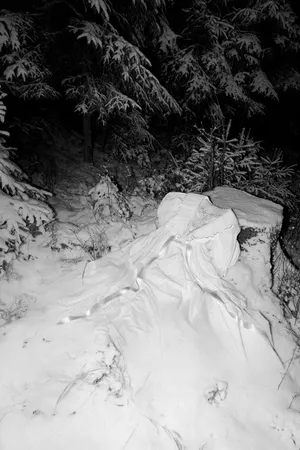
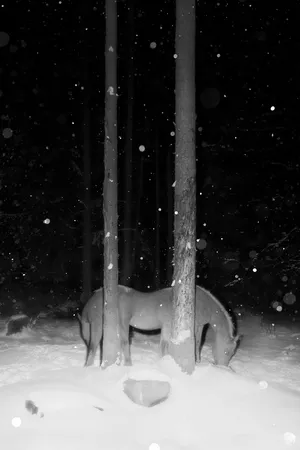
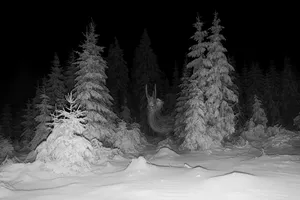
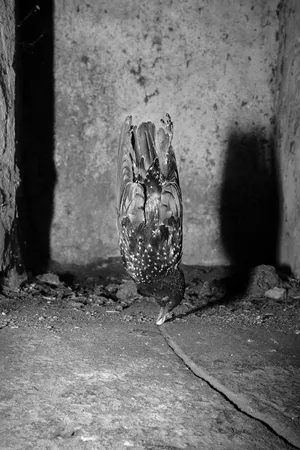
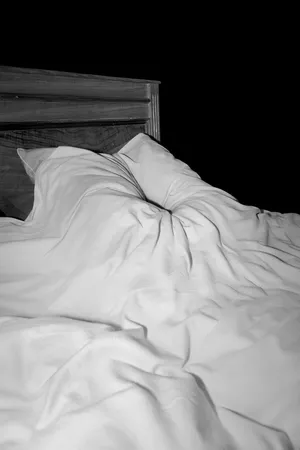
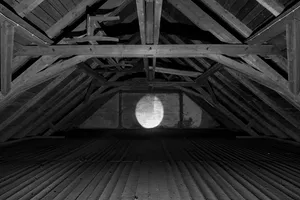
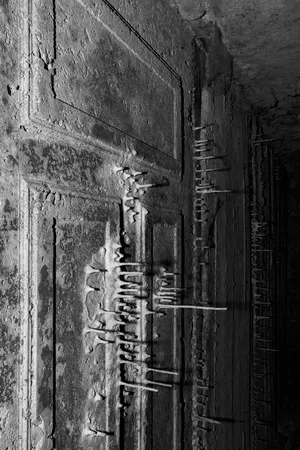
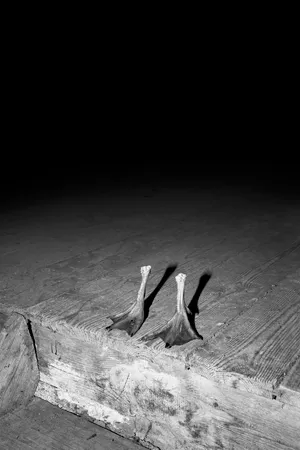
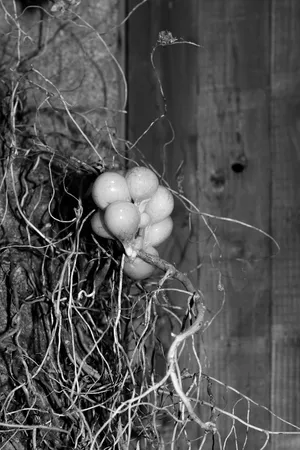
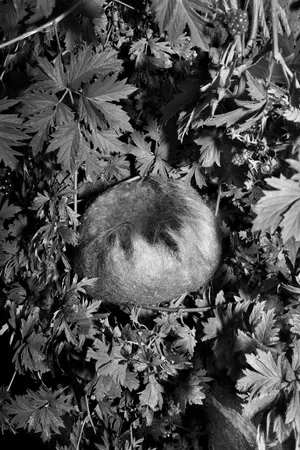
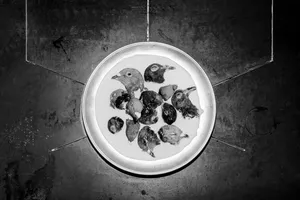
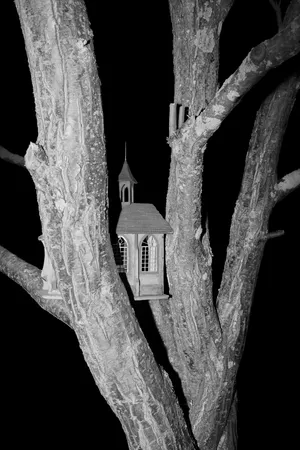
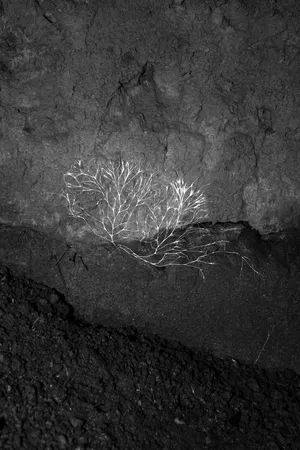
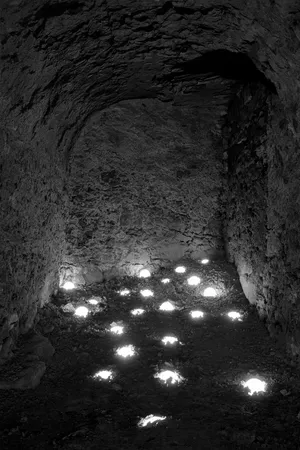
Unternächte is what my grandmother and great-grandmother in Bavaria called the nights between Winter Solstice and Epiphany, a liminal period known more widely as the Twelve Nights of Christmas. As winter gives way to spring, as the old fades and the new has yet to emerge, life and death, light and darkness blur together, creating a space both dangerous and cathartic. During these nights, the gates to the beyond open wide, and the spirits descend into the mortal realm. In my family, this time has been marked by tales and traditions passed down through generations of women who sought guidance on the uncertain path ahead. Threshold moments like the Twelve Nights, an ending with no clear beginning in sight, have always carried a collective unease. Today, political rifts, environmental crises, and technological disorientation echo that same in-between feeling. As we collectively grasp for new rituals and beliefs to feel secure in a fragmented world, my foremothers’ reliance on these customs resonates with a much wider moment. Through photography, I explore how we turn to lore when the ground feels unsteady. I stage, re-stage, and reimagine family story and local tradition until the lines between memory and invention, between comfort and threat, blur. The imagery is rooted in the tradition of folk horror, where the same beliefs that unite a community can, under pressure, turn against those within it just as easily as those outside it. The same fire that keeps a house warm can burn it down. Rather than a photographic survey, the work mirrors this ambiguity by evoking an old collection of fairy tales, something to return to and retell, its meaning shifting with each encounter. Like the stories it draws on, passed from woman to woman, it's a tale that grows with us, carrying both comfort and warning. 'Unternächte' is published as a book by Void in 2026.
Plexus
Elena Helfrecht
Plexus
Nominated by Void, 2023
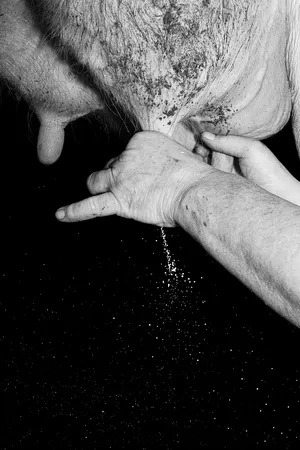
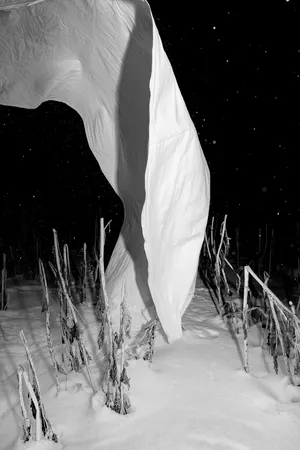
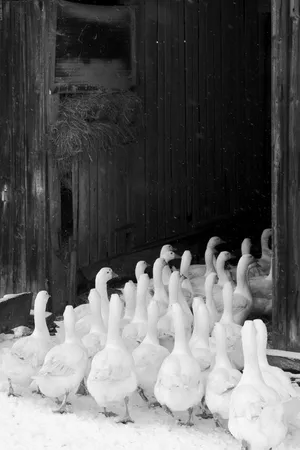
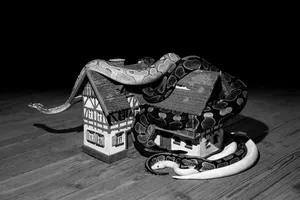
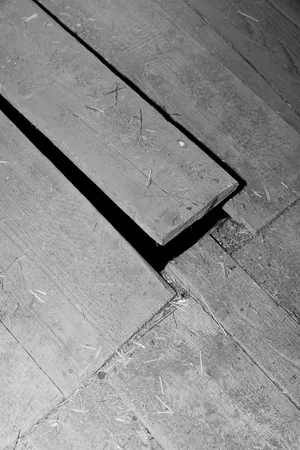
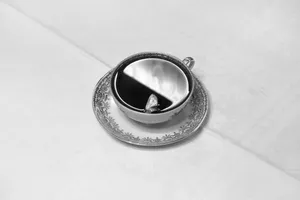
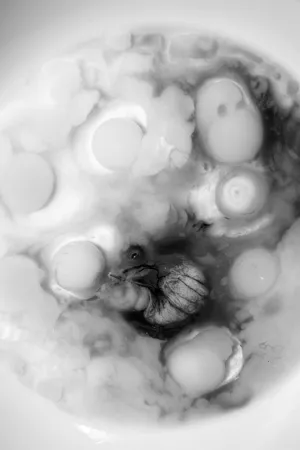
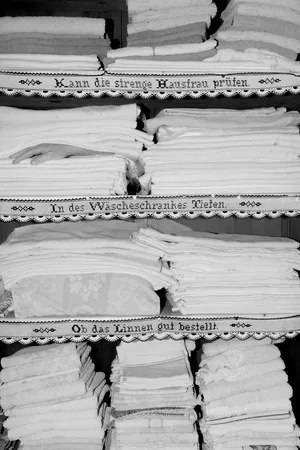
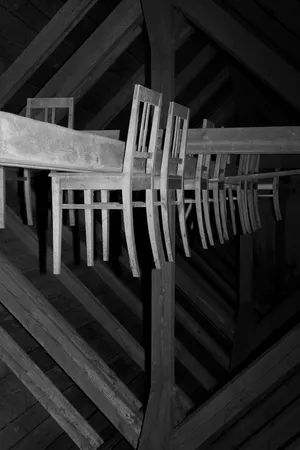
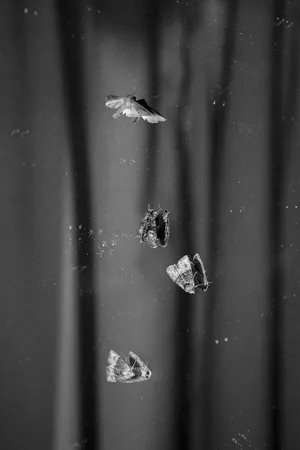
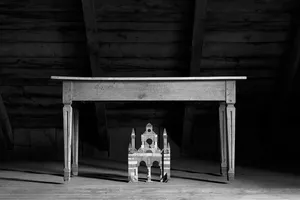
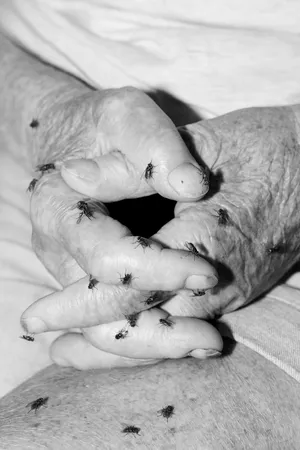
Plexus is a photographic case study based on still lifes that emerge from inherited trauma and postmemory, exploring the family as an essential contributor to psychological and cultural processes across history. Following my grandmother’s death, I returned to my family estate in Bavaria and used the house and its archive as stage and protagonists for an allegoric play. In the process of reconnecting the fragmentary history of my female lineage, the term ‘re-membering’ becomes literal. Immersing myself into this story, I filled the gaps with dreams, associations, and imagined scenes to create a narrative transgressing personal and national boundaries. The objects and architecture of the house become parabolic proxies and open a gate between the past and the present. Permeating the imagery is a figurative search for apparent reoccurrences in history, echoing my own repetition of my mother’s and grandmother’s behaviours. By confronting a past spanning across four generations, a renewed sense of identity provides ground for a detailed investigation of postmemory, mental health, war, and history. 'Plexus' was published by Void in 2023 and is sold out.
Elena Helfrecht
Elena Helfrecht (*1992) is a visual artist based in Bavaria. Her photographic practice explores phenomena of consciousness, rooted in autobiography and reaching into the fantastic, the surreal, and the uncanny. Interweaving memory, experience, and invention, she builds layered narratives with a visceral, often unsettling iconography. Her photographs bridge inner and outer worlds, linking personal perception to collective history.
Central to her work is an engagement with horror and the abject as a way of approaching existential questions that resist easy answers. Her images hold rather than resolve their ambivalence: the house is both shelter and archive of haunting, folklore both a threat and a communal way of coping in times of crisis. She is influenced by the landscapes of her home, her lifelong fascination with the horror genre, and a deep engagement with art history, literature, and psychology.
Helfrecht's work has been shown in group and solo exhibitions internationally, at institutions and festivals including South London Gallery (UK), Galleria Civica Cavour (IT), The Benaki Museum (GR), Villa Kebbel (DE), Photo Vogue Festival (IT), Les Rencontres d'Arles (FR), and Peckham 24 (UK). She is a recipient of the BJP International Photography Award, a Sony World Photography Award, the Camera Work Award, and the Association of Photographers Student Award. She was named one of the Bloomberg New Contemporaries and nominated for the FOAM Paul Huf Award. Her images have been featured in numerous publications, including The New Yorker, Granta, Die ZEIT, the Financial Times, and the Guardian.
She has given lectures and talks at institutions including the London College of Communication, Bauhaus-Universität Weimar, and the University of Europe. Her work is held in private and public collections.
ProfessionVisual Artist
IdentityWoman, White
LocationWestern Europe, Germany, Switzerland, United Kingdom, Austria
PracticeBlack and White, Conceptual, Still Life, Archives
TopicsFamily, Identity, Post-memory, Politics
Nominated byVoid
Year2023
Close

Address
Isaac Titsinghkade 6A-B
1018 CA Amsterdam
The Netherlands
Address
Isaac Titsinghkade 6A-B
1018 CA Amsterdam
The Netherlands
© 2026 FUTURES Foundation
© 2026 FUTURES Foundation
Close